Field notes
Multi-Region Italy: A Pre-Booking Checklist
A checklist for committing a multi-region Italian itinerary: the region shortlist, internal transport spine, timed entries, deposits and day-one transfers.

A group flew into Milan, toured the lakes, then lost a full day because the train to Rome had been booked from the wrong station and the villa near Siena could not take them a day early. The checklist below exists to catch that gap before contracts are signed.
Booking: Regions First, Cities Second
The country splits into four working blocks, and each one carries a different rhythm. Choosing blocks before cities is what keeps a route sane, and it is also what makes a price comparison possible.
- Cap the itinerary at two or three regions. A week that touches the lakes, Tuscany and the Amalfi Coast spends more time in transit than in place.
- North: Venice and the Veneto, Milan and the lakes, Piedmont, Liguria, Emilia-Romagna. Alpine scenery, lake districts and serious wine territories.
- Centre: Rome and Lazio, Florence and Tuscany, Umbria. Art cities, Renaissance heritage and countryside that rewards slow pacing.
- South: Sorrento and the Amalfi Coast, Capri, Naples and Campania, Puglia, Basilicata. Coastlines, archaeology and a slower Mediterranean rhythm.
- Islands: Sicily and Sardinia. Each is a trip on its own, and ferry or flight capacity decides what is realistic inside a single week.
- Fix the internal spine before selling. Rail for the city pairs, cars for countryside legs, ferries for the islands, and a buffer on every connection.
A route that changes block four times in ten days reads well and travels badly. Two blocks with a deep stay in each almost always produce the better program, and they leave room for a return visit rather than exhausting the client on the first one.
Documents: The Entries That Sell Out
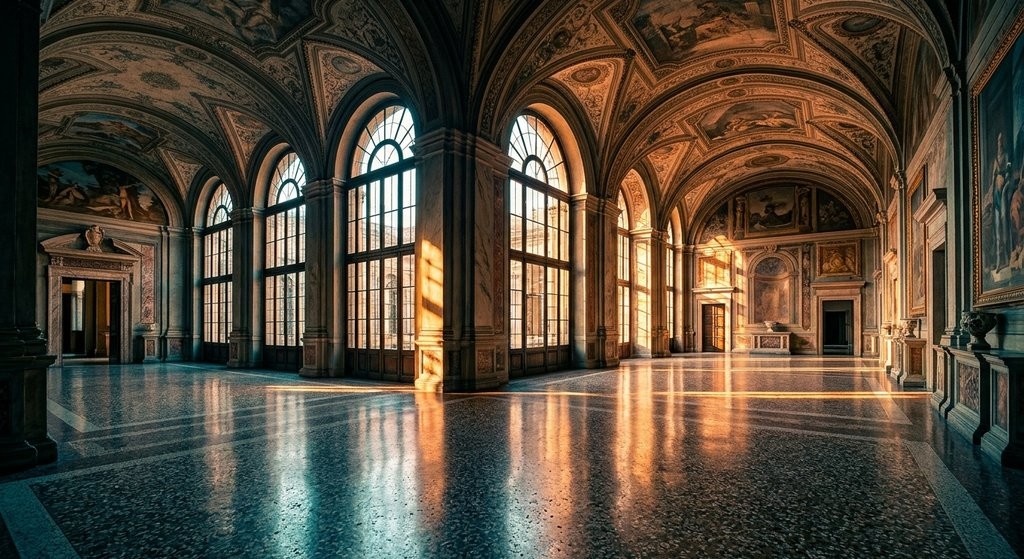
Some openings are gone months ahead, and local goodwill cannot recover them.
- Vatican Museums with early private access, and the Sistine Chapel inside the same slot.
- Uffizi and Accademia in Florence, ideally as a private opening rather than a shared entry time.
- Colosseum underground and arena floor, which run on separate permits from the standard ticket.
- After-hours monument access, requested in writing with the venue itself and not through a reseller.
- Ferry and internal flight seats for Sicily and Sardinia, confirmed with names before hotels are held.
Money: Net Rates, Deposits and Season Spread
Multi-region quotes go wrong when one line is priced in high season and another in low.
- Agree net rates and white-label terms in writing, including what appears on the client's own documents.
- Pay deposits for lakes, coast and island properties first, since they hold the fewest dates.
- List city taxes, guide gratuities and single supplements outside the headline price.
- Keep one contingency line for a missed connection between regions.
- Check which invoices arrive with tax details the advisor needs for the file.
Gear: What the Season Does to Each Block
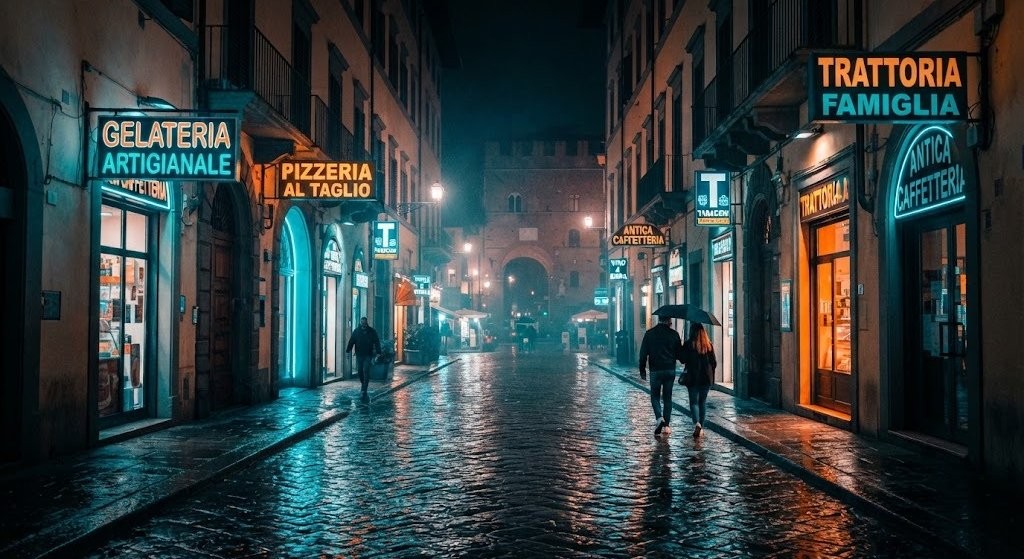
Packing advice changes with latitude and altitude, and one list for the whole country is wrong somewhere.
| Block | Spring | Summer | Autumn |
|---|---|---|---|
| North and lakes | Layers and a rain shell | Storm jacket for afternoons | Warm layer for evenings |
| Central cities | Light jacket, walking shoes | Sun cover and a water bottle | Umbrella and closed shoes |
| South and islands | Light layers, sea shoes | Linen, hat, high-factor cream | Swimwear plus a windproof top |
The matrix is a starting point for the group note, not a packing list. Altitude in Piedmont and wind on the lakes break the pattern in spring, and a Sicilian October can still call for swimwear while Milan needs a coat.
Day-of: The Transfer Chain
The first morning sets the tone, and every later movement inherits its problems.
- Send arrival details to the driver two days ahead, with flight or train numbers attached.
- Confirm luggage handling in restricted historic centres, where vans cannot reach the door.
- Give the group one contact for the whole route instead of a different number per city.
- Check the departure buffer against the real transfer time, not the map time.
Work through booking and documents ten to twelve weeks before departure, money at eight, and the day-of list in the week the program starts. Repeat the pass for each region on the route, because suppliers, permits and pace change at every border, and a route that reads well on paper can still fail on a Sunday timetable.
Written by the Pikefield Dispatch team. Routes are checked on the ground and pages are edited in place when something changes. Spotted an error? Tell us and we will fix it.
Next step
Send us the rough idea
A short brief is enough. We reply with questions, a route sketch and what it would cost before you commit to anything.