Field notes
What Advisor Feedback Taught Us About Italy Trips
Eight habits that came out of partner feedback on Italian programs: guide briefings, wet-weather cover, port buffers, response speed and honest debriefs.

Most of what follows came from the same source: notes sent after a program had ended, some of them uncomfortable to read. Eight habits have survived every season since, and the list is short enough to run before a departure.
- Brief the guide on the group as well as the site.
- Give every coastal day a wet plan.
- Protect the port transfer above everything.
- Answer quickly, then decide.
- Say what the price does not include.
- Use specialists for the set-piece days.
- Keep one coordinator across a multi-destination route.
- Ask for the debrief and write it down.
1. Brief the guide on the group, not only the site
In Pompeii one guide read the room, offered options and never hurried anyone, and the group still saw everything on the plan. Knowledge is the entry ticket; pacing is what makes a hot, crowded site bearable. A five-minute call the evening before, covering mobility, interests and the one thing nobody wants to miss, changes the whole morning.
2. Give every coastal day a wet plan
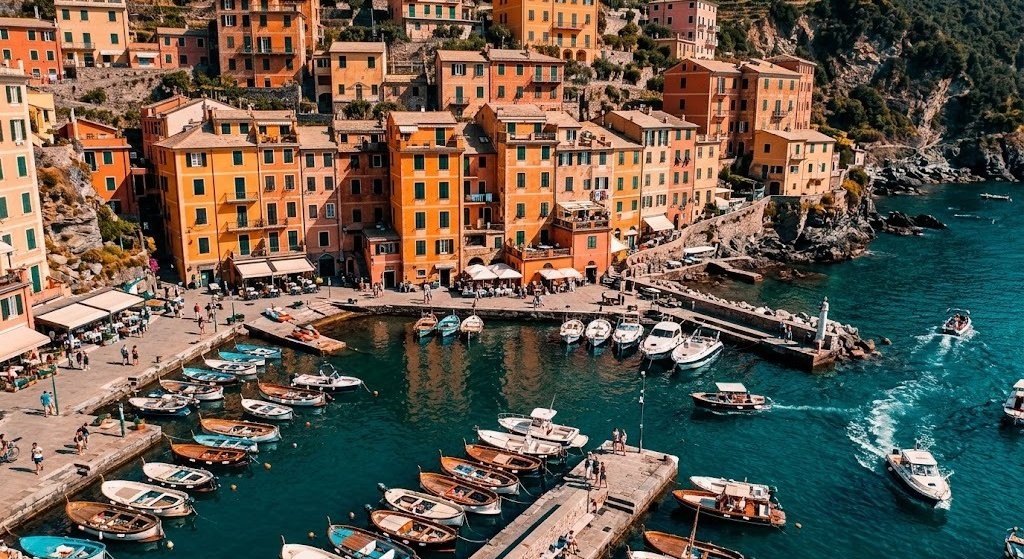
Rain in Ravello once wiped out an afternoon, and the guide found a restaurant where the group could sit out the worst of it. They still reached the cruise port with time in hand, and the day is remembered as a good one. The lesson is not complicated: name the indoor option in writing before the coach leaves the hotel.
The weather was the only part of the trip that did not cooperate.
3. Protect the port transfer above everything
A ship will not wait, and a late coach turns a good week into a complaint. Build the transfer backwards from the boarding time, with the guide holding the timetable rather than the driver alone. Traffic on the coast road is the one variable nobody can talk their way out of.
4. Answer quickly, then decide
Advisors judge a partner by the speed of a reply in the middle of a program, not by the proposal. A short answer within the hour is worth more than a perfect document the next morning. The same applies to confirmations: a one-line yes with the name attached settles more than a paragraph of options.
5. Say what the price does not include
City tax, gratuities, drinks outside the set menu and entrance fees on free-admission days are the usual gaps. Listing them in the quote removes the conversation that otherwise happens at a hotel desk, in front of the client, in a language nobody in the group speaks.
6. Choose specialists for the set-piece days
A historian for the archaeological sites, a sommelier for the cellars, a licensed guide for the historic centre. Generalists cover the driving days well; they rarely carry a once-in-a-lifetime visit. Two specialist mornings in a week do more for a review than five competent ones.
7. Keep one coordinator across a multi-destination route
Programs that link three regions work when a single person owns the file from brief to departure. Handovers between offices are where confirmations go missing and where the client notices the seam. Advisors who run repeat business tend to ask for the same name each season, and the request is worth honouring.
8. Ask for the debrief and write it down
Feedback only improves the next program if it reaches the people who build it. A short call in the week after return, logged against the itinerary, has changed more routes than any inspection visit. The notes that sting are usually the ones that save a future departure.
The two that matter most are the wet plan and the coordinator. One protects a single day, the other protects the whole file, and together they account for most of the notes that arrive with praise in them.
Written by the Pikefield Dispatch team. Routes are checked on the ground and pages are edited in place when something changes. Spotted an error? Tell us and we will fix it.
Next step
Send us the rough idea
A short brief is enough. We reply with questions, a route sketch and what it would cost before you commit to anything.